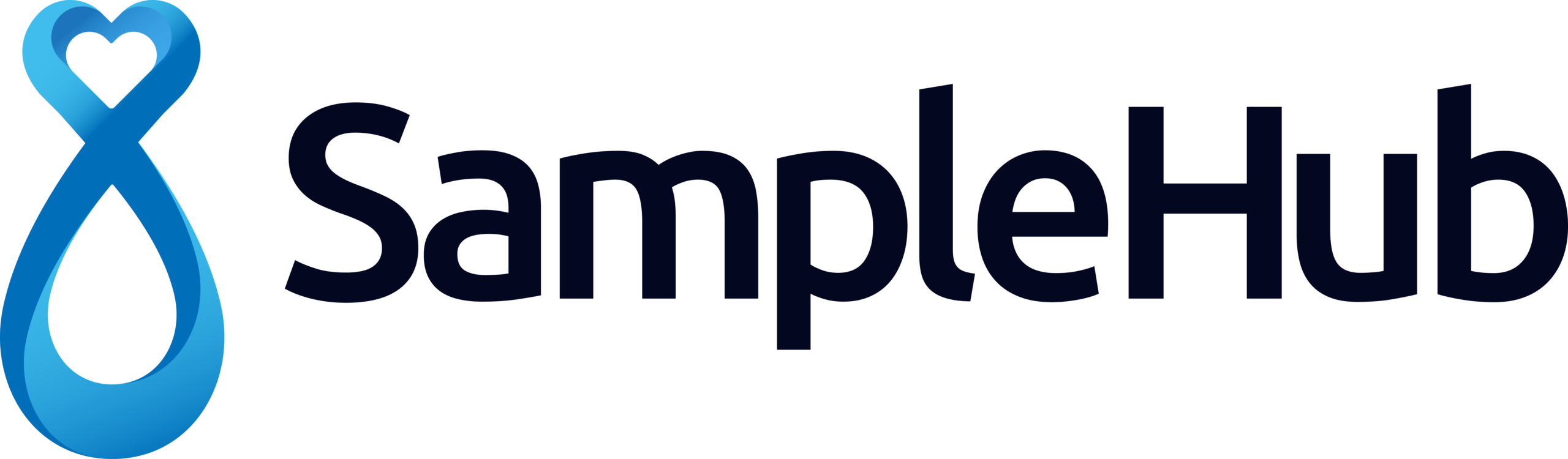
Building a Risk-Based Water Sampling Programme with Automation
Water sampling has long been a cornerstone of effective water hygiene management. Whether you’re responsible for a healthcare facility, commercial property, housing portfolio or industrial site, your sampling programme provides the evidence needed to demonstrate compliance and protect building occupants.
Yet many organisations continue to rely on fixed schedules, spreadsheets and manual processes that treat every sampling point in exactly the same way. While this traditional approach may satisfy basic requirements, it often creates unnecessary work, delays responses to emerging issues and diverts resources away from the areas that need the greatest attention.
A smarter approach is to build a risk-based water sampling programme supported by automation. By focusing effort where it matters most, organisations can improve compliance, reduce operational costs and respond faster when water quality issues arise.
Why One-Size-Fits-All Sampling Doesn’t Work
Every water system is different.
Some outlets present a consistently low risk because they have stable water quality, regular use and a strong maintenance history. Others may be located in vulnerable environments, experience periods of stagnation or have previously produced elevated microbiological results.
Despite these differences, many sampling programmes still apply identical frequencies and processes across every location.
This creates several challenges:
- Low-risk locations may be sampled more often than necessary.
- High-risk assets may not receive sufficient attention.
- Teams spend valuable time managing unnecessary site visits.
- Manual administration increases the likelihood of missed samples and delayed follow-up.
- Important trends can be hidden amongst large volumes of routine data.
An effective water quality monitoring strategy should reflect the actual level of risk, not simply follow a rigid calendar.
Using Risk to Prioritise Sampling
Risk-based sampling focuses resources where they will have the greatest impact.
When determining priorities, organisations should consider factors such as:
- Previous laboratory results
- Type of water system
- Building occupancy
- Vulnerable users, such as patients or residents
- Historical incidents
- Asset age and condition
- Regulatory requirements
- Seasonal variations
Rather than viewing every sample equally, a risk-based programme enables teams to identify locations requiring closer monitoring while reducing unnecessary effort elsewhere.
This not only improves efficiency but also strengthens confidence that potential issues will be identified before they escalate.
Dynamic Scheduling Based on Results
One of the biggest limitations of traditional sampling programmes is that schedules rarely change in response to new information.
For example, if a laboratory result exceeds an action level, the next steps often rely on someone manually reviewing the report, arranging a resample, notifying colleagues and updating multiple spreadsheets.
This process consumes valuable time and introduces opportunities for human error.
Modern automated water management systems take a different approach.
Instead of relying on manual intervention, they can automatically interpret laboratory results against predefined action levels, trigger the appropriate workflow and schedule follow-up sampling based on site-specific rules.
For example, automation can:
- Schedule immediate resamples following failed results.
- Notify responsible personnel instantly.
- Trigger corrective actions.
- Record every activity within a complete audit trail.
- Update future sampling schedules automatically.
By removing manual administration, organisations can respond more quickly while maintaining complete visibility across their sampling programme.
Reducing Unnecessary Repeat Visits
Site visits are one of the largest operational costs associated with water sampling.
Travelling to multiple properties to collect only one or two routine samples can consume significant amounts of technician time, particularly for organisations managing large estates.
A risk-based programme helps reduce unnecessary repeat visits by ensuring sampling activities are driven by genuine operational need rather than inflexible routines.
Automation supports this by:
- Optimising sampling schedules.
- Combining visits where practical.
- Prioritising urgent actions.
- Eliminating duplicate administration.
- Ensuring no scheduled activity is overlooked.
The result is a more efficient deployment of resources without compromising compliance.
Improving Operational Resilience
Water hygiene management isn’t simply about collecting samples—it’s about ensuring every result leads to the appropriate action.
Manual systems often depend heavily on individual knowledge. If key personnel are absent, important actions can be delayed or overlooked.
Automation strengthens operational resilience by embedding decision-making into standardised workflows.
Instead of relying on memory or manual processes, organisations benefit from consistent actions based on predefined rules.
SampleHub, for example, replaces fragmented spreadsheets, paper records and disconnected processes with a single cloud-based platform that manages scheduling, laboratory results, alerts, reporting and compliance documentation in one place. It automatically compares results against defined action levels, flags exceptions and notifies the right people when action is required.
This consistency is particularly valuable for organisations operating across multiple sites, where maintaining visibility and standardisation can otherwise become increasingly difficult.
Compliance Becomes Easier
Regulatory compliance requires more than simply taking samples.
Facilities managers and Responsible Persons must be able to demonstrate that sampling has been completed, results reviewed and appropriate follow-up actions undertaken.
A risk-based, automated approach creates a comprehensive audit trail showing:
- When samples were scheduled.
- When they were collected.
- Laboratory results.
- Actions triggered.
- Notifications sent.
- Remedial work completed.
- Ongoing compliance history.
Having this information readily available not only simplifies inspections but also provides greater confidence that nothing has been missed. SampleHub is designed to support organisations working within UK water hygiene frameworks, including ACOP L8, HSG274, HTM 04-01 and other sector-specific compliance requirements.
The Future of Water Sampling
The future of water quality monitoring is not about collecting more samples—it’s about collecting the right samples at the right time and acting on the results without delay.
By combining risk-based water sampling with intelligent automation, organisations can reduce manual administration, improve response times, optimise resources and strengthen compliance across their estates.
As water systems become more complex and regulatory expectations continue to evolve, adopting automated water management is no longer simply about improving efficiency. It’s about creating a smarter, more resilient sampling programme that helps organisations protect people, demonstrate compliance and make informed decisions based on real operational risk.
For organisations looking to modernise their water sampling programme, automation provides the foundation for safer, more efficient and more effective water hygiene management.
Latest Articles

Automated Water Sample Management for Housing Associations: Visibility and Oversight Across 100+ Buildings
Housing associations have a growing responsibility to ensure water safety across increasingly complex property portfolios. Managing water sampling programmes across 100, 200 or even 1,000 buildings is no longer something that can be effectively handled with...
Still Managing Your Water Sampling Programme in Excel? It’s Time to Move with the Times
For years, Excel has been the default tool for managing water sampling programmes. It's familiar, inexpensive and already installed on almost every computer. But just because it can be used doesn't mean it should be. As water hygiene compliance becomes more demanding...
Why Automation Is Transforming Water Sample Management
For facility managers, compliance officers, and operations teams across healthcare, education, and social housing, staff training is not simply a box to tick. It is about ensuring every team member has the knowledge and certification they need to do their job safely....
Get in Touch with the Sample Hub Team
Have a question about Sample Hub or want to discuss how we can support your sampling programme?
We’d love to hear from you.
SampleHub removes the manual effort from sampling programmes. Automatically interpret results, schedule resamples, trigger actions, and notify the right people, all based on rules tailored to your site.